Swift & Trustworthy Furnace Repairs
If your furnace isn’t keeping your Dallas home warm, Serveway Heating and Air Conditioning will get it back on track. Every visit begins with a focused safety inspection and a clear diagnosis. We explain recommended repairs plainly, use durable parts, and offer practical options so you can choose what’s best. Ready to schedule? Request service online or call (469) 231-9379. Our aim is to restore reliable heat quickly while keeping you informed about repair choices, timelines, and any safety concerns.
Before you call, a few details speed diagnosis and help our technicians arrive prepared: furnace brand and model (if available), unit age, a short list of symptoms (no heat, cold air, odd noises, rapid cycling), and whether maintenance was recently performed. Also tell us about recent home changes that could affect performance — attic or duct work, new insulation, or a newly installed smart thermostat — so we can bring appropriate tools and parts.
Why isn’t my furnace heating in Dallas? Common causes
Knowing common causes helps troubleshooting move faster and safer. Frequent issues include failed internal components, duct leaks or blockages, and thermostat faults — each can produce uneven heating or a total loss of heat. Simple upkeep like changing filters and keeping vents clear improves performance and reduces breakdowns. Understanding AFUE (Annual Fuel Utilization Efficiency) and typical failure modes helps you weigh a quick repair against a replacement.
AFUE measures how efficiently a furnace converts fuel into heat over a year. Higher AFUE reduces wasted fuel and operating costs. While AFUE doesn’t directly cause a furnace to stop, older low‑efficiency units often run longer, wear sooner, and cost more. Compare repair cost and expected remaining life with the long‑term savings a higher‑AFUE model delivers when deciding whether to repair or replace.
Also consider how long you plan to stay in the home and whether planned improvements — attic insulation or duct sealing, for example — will change heating needs. Our technicians can estimate remaining useful life and annual savings so you can choose what fits your budget and plans.
How a furnace works and which parts affect heating
A furnace warms air and pushes it through ductwork; the thermostat tells the system when to run. Problems can involve the furnace, ducts, thermostat, or worn parts. Regular upkeep — filter changes, vent care, and professional checkups — keeps systems efficient. Major repairs or replacements should be handled by trained technicians; knowing which component controls which function helps you prioritize work.
Most residential furnaces use natural gas, propane, or electricity. Gas units use a burner and heat exchanger to warm air while a blower distributes it; electric units use heating elements and a blower. Key components are the blower motor, filters, thermostat, flame sensor or ignitor, and the flue/venting system. Routine inspection catches small failures — worn belts, loose connectors, or corrosion — before they become costly.
Symptoms point to likely causes: weak airflow usually traces to the blower motor, duct restriction, or a clogged filter; intermittent ignition typically indicates an ignitor, flame sensor, or control board issue. When technicians identify the specific component and expected impact, you can weigh short‑term fixes against longer‑term upgrades.
Most frequent furnace problems in Dallas homes
In Dallas homes, the most common furnace issues are:
- Thermostat problems: Incorrect settings, dead batteries, or loose wiring can prevent the system from running or cause short cycling.
- Dirty air filters: Clogged filters restrict airflow, strain components, and reduce heating performance, sometimes causing safety shutoffs.
- Ignitor or pilot issues: A failed ignitor or pilot light prevents ignition. Corrosion, wiring faults, or sensor contamination are common causes.
Spotting these early avoids larger repairs. Regular visual checks and quick swaps of disposable filters are an easy first line of defense many homeowners can handle safely.
Ductwork is another common culprit: leaks, disconnected sections, or poor insulation reduce warm air reaching living spaces and force the system to work harder. Sealing visible duct joints and insulating attic or crawlspace ducts cuts energy loss and improves balance. Technicians measure static pressure and airflow to locate hidden issues when needed.
Often a combination of modest issues creates persistent comfort complaints — for example, a marginal blower plus restrictive filters and a miscalibrated thermostat. Addressing the combination (filter replacement, motor service, thermostat check) usually restores comfort more cost‑effectively than replacing the entire furnace.
How to troubleshoot a furnace that’s not heating — a step-by-step Dallas guide
Before calling a technician, run a few basic checks — they often save time and money and can show whether a homeowner action will fix the issue or whether a professional visit is required.
Initial checks for your furnace and thermostat
Try these initial checks:
- Listen for unusual noises: Banging, rattling, or squealing can indicate loose parts or motor trouble; note when the noise occurs.
- Assess heat distribution: If some rooms are much cooler, check vents, returns, and zone dampers (if present).
- Watch cycling frequency: Rapid on/off cycling often points to a thermostat or control problem.
- Check energy bills: A sudden spike can mean the system is working harder than it should.
- Notice odors: Burning smells or mildew‑like scents can indicate electrical or moisture problems; chemical or rotten‑egg odors need immediate attention.
If you see any of these signs, schedule a professional inspection. For intermittent problems, record the sequence of events and any error codes shown on the thermostat or furnace control board to help technicians diagnose faster.
Other safe checks you can do without opening the cabinet: verify the thermostat is set to HEAT and the fan to AUTO, replace thermostat batteries, check circuit breakers and switches for the furnace, and confirm the gas valve is open for gas systems. If the furnace has a visible reset or power switch on the cabinet, try turning it off for 30 seconds and back on; repeated resets indicate a control fault and you should call a technician.
When performing visual checks, keep a safe distance from moving parts and gas components. Don’t attempt to adjust internal combustion parts or wiring; instead, note observations and share them with the technician. Clear photos of labels, wiring terminals, or error displays are often helpful when scheduling service.
When to stop DIY and call a professional
Call a pro when you encounter:
- Electrical problems: Wiring or control faults that pose safety risks — working on live electrical components is dangerous and may void warranties.
- Gas leaks or carbon monoxide concerns: These are serious hazards requiring immediate professional attention — evacuate and call emergency services if you suspect gas or CO.
- Major component work: Replacing heat exchangers, blower motors, or other complex parts requires certified technicians and proper tools.
Also get help for strange noises, uneven heating, frequent cycling, unusual smells, or higher-than-normal bills. Professionals bring diagnostic tools and safety gear and follow local codes and manufacturer procedures to protect your family and system.
If you’re uncertain whether a problem is urgent, call our dispatch team for triage guidance — we can often advise temporary measures to keep your home safe until a certified technician arrives.
Furnace blowing cold air? Signs and solutions for Dallas homeowners
Cold air from your furnace is frustrating. Finding the cause helps fix it quickly and safely. Solutions range from simple filter changes to professional repairs or component replacements, depending on the diagnostic outcome.
How a dirty air filter leads to cold air — and how to fix it
A clogged filter chokes airflow, forcing the system to work harder and sometimes causing weak or cold output. Replace filters every 1–3 months depending on use and household conditions; check monthly if you have pets, allergies, or lots of dust. Use the correct size and a filter efficiency appropriate for your furnace — higher‑efficiency filters capture more particles but can restrict airflow if the blower isn’t sized for them.
If replacing the filter doesn’t restore warm air, check return vents and supply vents for blockages and inspect inline air purifiers or humidifiers that can add resistance. If the system still produces cold air, a technician can measure static pressure and blower performance to identify motor wear, duct restriction, or reversed airflow.
Thermostat issues and how they affect heating
Thermostats tell your furnace when to run. Start by checking settings and replacing batteries. If issues continue, recalibration or replacement may be needed. For programmable or smart thermostats, verify schedules and Wi‑Fi connections; a disconnected smart thermostat may fail to call for heat reliably.
Smart thermostats can improve comfort and save energy but require correct wiring and setup. If your thermostat is old or inconsistent, consider replacing it; a professional can verify wiring, ensure compatibility with your system, and program it for best results, including multi‑stage systems or heat pumps when applicable.
Addressing specific furnace component failures in Dallas: repair & replacement
If a part fails, Serveway Heating and Air Conditioning handles repairs and replacements across Dallas. We provide furnace repair, full‑system replacement, and routine maintenance. To schedule, call (469) 231-9379 or request service online. We stand on integrity, fairness, and clear communication to restore your system the right way.
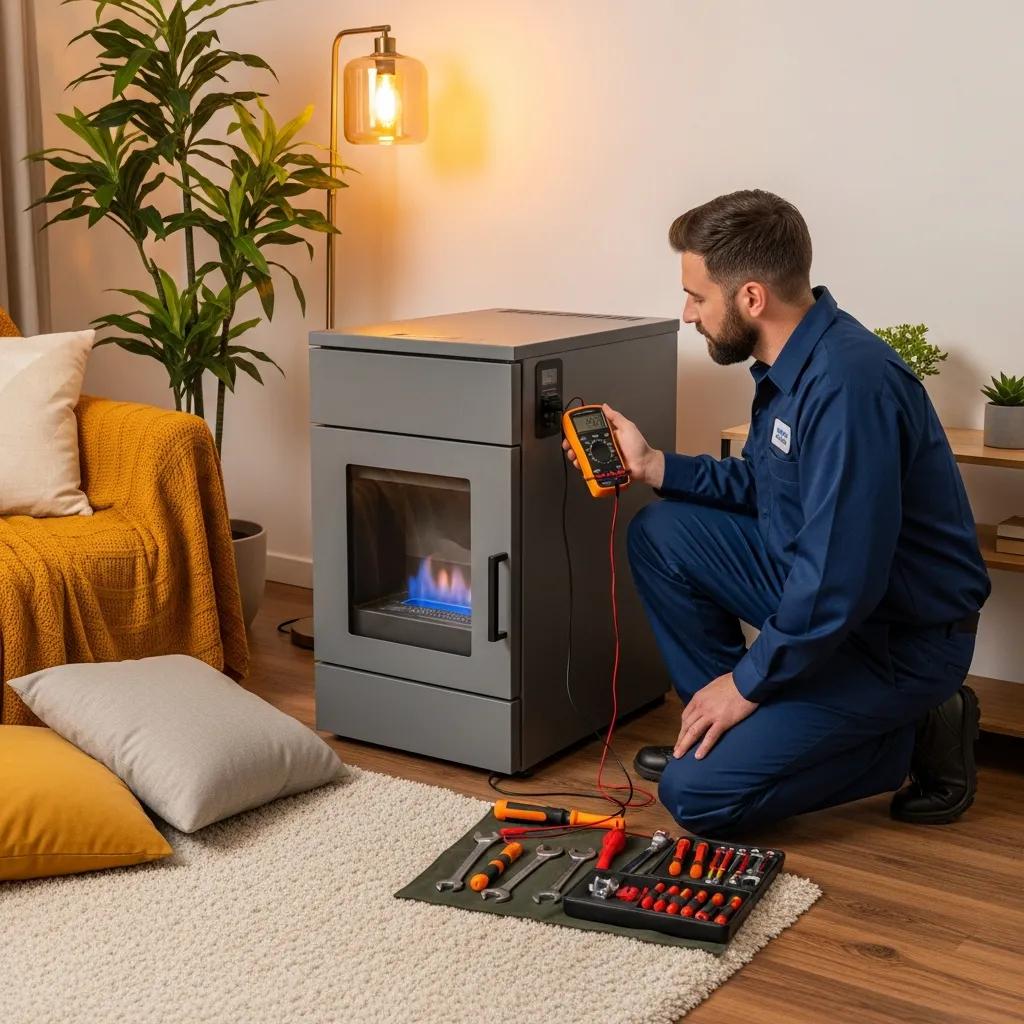
On a typical service call technicians perform a safety inspection, test ignition and control circuits, evaluate airflow and combustion where applicable, and provide a clear estimate before work begins. We explain options — repair versus replacement — and outline timelines and warranties. When parts are needed, we use quality components and verify safe operation after repair.
Whenever possible we discuss repair lifespans and expected service life after repair so you understand whether a repair is a short‑term fix or part of a longer plan to extend equipment life. We document replaced parts and provide warranty information for your records.
Symptoms and repair options for a faulty ignitor or pilot light
Signs of ignitor or pilot problems include flickering flames or inconsistent ignition, leading to intermittent or no heat. Technicians inspect and clean ignition components and replace parts when necessary. In gas furnaces, a dirty or failing flame sensor can cause the control board to shut off gas; cleaning or replacing the sensor usually resolves the issue. Technicians also check gas pressure and burner condition to ensure complete combustion.
Identifying and addressing blower motor and heat exchanger issues safely
Follow these steps to identify and handle blower motor and heat exchanger problems safely:
- Identify signs of trouble: Blower motor — weak airflow, unusual noises, or failure to run; Heat exchanger — strange odors or carbon monoxide alerts can indicate cracks or leaks and require immediate evaluation.
- Schedule regular inspections: Certified technicians can spot hairline cracks, corrosion, or overheating signs before they become catastrophic.
- Contact certified pros: Use EPA‑ and NATE‑certified technicians who follow industry‑standard practices.
- Avoid DIY repairs: Major repairs on heat exchangers or internal combustion components are dangerous and may violate local codes.
When technicians replace major components they run combustion and safety tests to verify repairs and protect indoor air quality. Research underscores how critical heat exchanger integrity is to HVAC safety and performance. Knowing common causes of heat exchanger failure — corrosion, fouling, and installation errors — helps guide proper maintenance. Regular cleaning and correct exhaust venting reduce fouling and corrosive conditions that shorten exchanger life.
When is emergency furnace repair needed in Dallas? 24/7 response

Call for emergency furnace repair when your system stops producing heat or shows signs of a dangerous fault during cold weather — total system failure, loud unusual noises, or a complete loss of heat. Serveway provides 24/7 emergency response to get your home safe and warm as quickly as possible. Our emergency team triages calls and dispatches the nearest qualified technician.
While you wait, if you smell gas evacuate immediately and call 911 or your gas utility from a safe location; do not operate electrical switches or devices and avoid open flames. If a carbon monoxide alarm sounds, leave the house and call emergency services. For non‑hazardous interruptions, keep exterior vents clear, close off unused rooms to concentrate heat, and use safe alternative heating sources while waiting for service.
Which situations require immediate furnace repair assistance?
Seek immediate help for:
- Electrical issues: Sparks, burning smells, or tripped breakers tied to the furnace.
- Gas leaks or carbon monoxide concerns: Any suspicion of gas or CO is an emergency — evacuate and call for help.
- Major component failures: Heat exchanger cracks or blower motor failures that affect safety or system operation.
If you notice strange noises, uneven heating, frequent cycling, higher bills, or unusual odors, contact a professional right away. Prompt attention minimizes risk and can prevent minor issues from becoming emergencies.
How Serveway provides 24/7 emergency support
We offer round‑the‑clock emergency service staffed by NATE‑certified technicians. Our support team triages requests and dispatches qualified technicians any time to resolve HVAC emergencies promptly and safely. During an emergency, technicians prioritize safety checks and temporary measures to restore heat while arranging permanent repairs.
When you call our 24/7 line, expect a brief triage call to identify hazards and prioritize dispatch. We aim to arrive with common replacement parts and diagnostic tools so technicians can often complete repairs in one visit. Technicians document findings, explain the cause and recommended repair, and provide an upfront estimate before proceeding.
NATE certification is widely recognized as a standard for qualified HVAC technicians and quality service; our technicians keep current with training and follow manufacturer procedures.
Typical costs and financing options for furnace repair in Dallas
Repair costs vary depending on the issue and parts required. Serveway offers financing to help manage repair expenses — contact us for a detailed estimate. We explain diagnostic fees, parts, labor, and any warranty coverage that applies.
Cost factors include the furnace’s age and accessibility, whether OEM or aftermarket parts are used, labor hours, and whether related systems such as ductwork need attention. In some cases, staged repairs or targeted maintenance can extend system life and reduce immediate expense versus full replacement.
What financing plans does Serveway offer for furnace repairs?
Serveway partners with EnerBank USA and Wells Fargo to offer financing plans that spread costs into manageable monthly payments. We also run specials for veterans, first responders, and seniors, plus discounts for first‑time customers — see our specials for current deals. Maintenance plans include priority scheduling and discounted repairs to help avoid surprise expenses.
How regular furnace maintenance prevents heating failures in Dallas homes
Routine maintenance keeps your furnace running reliably and efficiently through the heating season, preventing unexpected failures and saving long‑term costs. A documented maintenance history helps when evaluating replacement timelines and can improve resale value.
What a comprehensive furnace tune-up includes
A full tune‑up typically includes seasonal visits (spring for AC, fall for heating), comprehensive inspections, priority scheduling for plan members, discounted repairs, and repair warranties under an active agreement.
- Seasonal tune‑ups: Two annual visits to prepare systems for the season and reduce peak‑season failures.
- Comprehensive inspections: Cleaning and inspecting major components and safety controls.
- Priority service: Faster scheduling when problems arise.
- Discounted repairs: Reduced diagnostic fees and repair discounts between visits.
- Repair warranties: Coverage for repairs performed under an active agreement.
During a tune‑up, a technician cleans burners, inspects and cleans ignitors or flame sensors, checks gas pressure and combustion, tests safety controls, inspects the heat exchanger, replaces or cleans filters, services blower motors as needed, and verifies thermostat operation and airflow. They record findings and recommend follow‑up items to avoid future breakdowns.
Technicians also check vent terminations, confirm proper clearances, and test carbon monoxide detectors. They advise on homeowner tasks and replacement intervals for wear items so unexpected failures are less likely.
How annual maintenance extends furnace life and saves money
Annual maintenance finds small problems before they grow, keeps systems efficient, and reduces the risk of costly breakdowns. Regular tune‑ups help lower energy bills and extend furnace life. Maintenance plan members enjoy priority service and discounted repairs, making upkeep more affordable and reliable. Keep a maintenance log to track recurring issues and verify seasonal checks.
Simple homeowner practices between professional visits help too: change filters on schedule, keep returns and vents clear, maintain a clear area around the furnace cabinet, and ensure carbon monoxide detectors have fresh batteries and are installed per local code. Taking photos of labels and model numbers before a technician arrives speeds diagnostics and helps ensure the technician brings compatible parts.
Trusted furnace repair in Dallas — why choose Serveway?
Serveway Heating and Air Conditioning is a local choice for furnace repair in Dallas, known for honest pricing, clear communication, and dependable service. We offer 24/7 emergency response, certified technicians, and a commitment to quality repairs you can count on. Our local teams understand regional issues like seasonal temperature swings and attic insulation impacts on HVAC performance.
When choosing a service provider, look for clear estimates, documented warranties, technician certification, and transparent customer feedback. We meet those expectations with written estimates, explained recommendations, and honored service warranties. Ask about part brands, expected service life, and maintenance schedules so you can make informed choices.
For questions or to schedule service, call (469) 231-9379.
What sets Serveway apart for Dallas furnace repair?
We focus on long‑term fixes, not quick patches. Our technicians combine skill with transparent estimates and fair pricing, and we back our work with professional standards and customer service that puts you first. We document work performed and leave customers with clear explanations of maintenance steps and recommended follow‑up.
If replacement is the best long‑term solution, we present properly sized, efficiency‑matched options and explain installation expectations, available rebates or incentives, and warranty coverage so homeowners can decide with confidence.
How to schedule a furnace repair appointment with Serveway
To schedule, call our 24/7 line at (469) 231-9379 or request service online. We’ll walk you through options and dispatch a certified technician to your home as soon as possible. When scheduling, share symptoms, recent maintenance history, and access instructions to help the technician prepare.
Online scheduling lets you choose preferred appointment windows and provide details ahead of arrival. For emergency situations we prioritize immediate response and communicate arrival times promptly. After service we follow up to confirm satisfaction and answer any questions about system care.
Conclusion
Keeping your furnace in good condition matters for comfort and safety in Dallas. Regular maintenance and timely professional repairs reduce costly breakdowns and keep heat reliable all season. Trust Serveway Heating and Air Conditioning for straightforward answers, fair pricing, and skilled service — contact us today to schedule an inspection and gain peace of mind this heating season.