
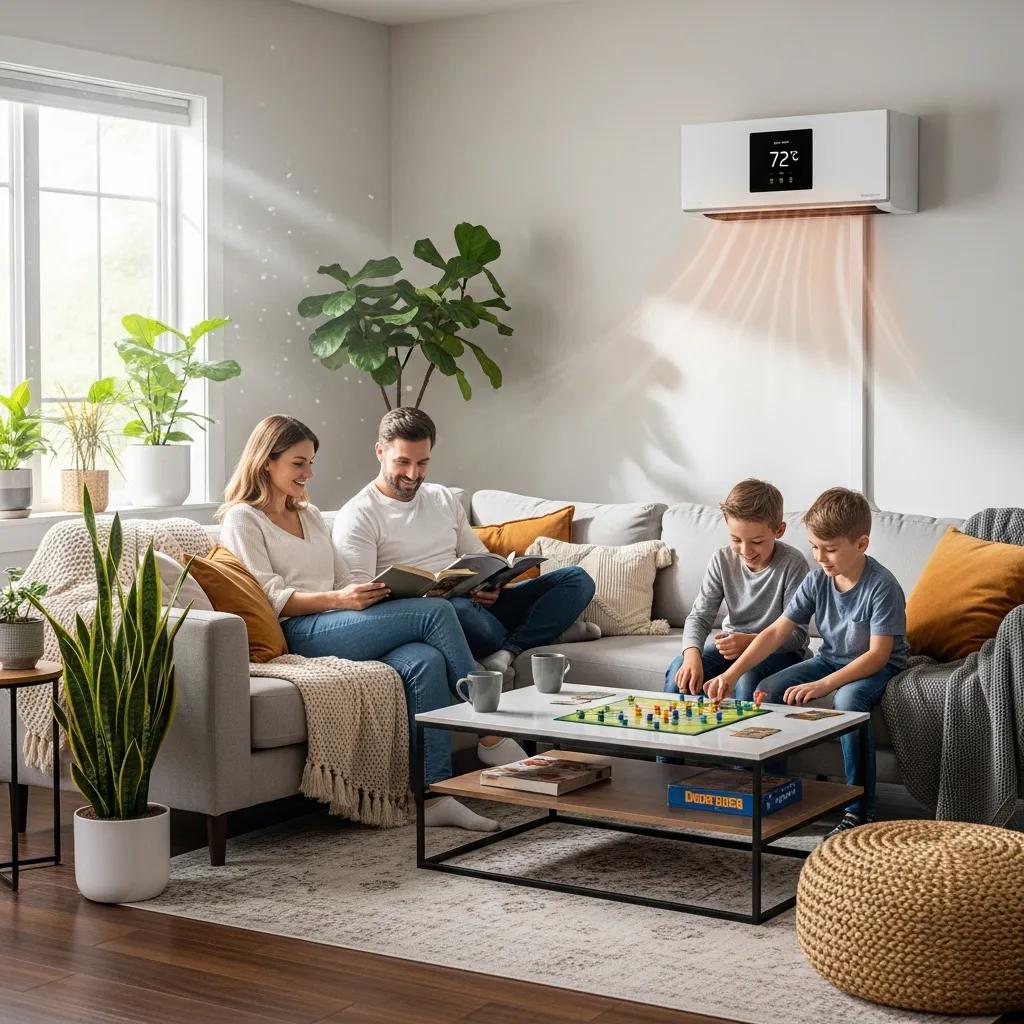
Understanding HVAC Energy Efficiency Standards: How to Save Energy and Reduce Costs
Understanding HVAC energy efficiency standards is crucial for homeowners who want to reduce energy consumption and save on utility bills. These standards include various efficiency ratings that help consumers make informed decisions about their heating and cooling systems. By grasping the significance of these ratings, homeowners can enhance their comfort while also contributing to environmental sustainability. This article explores the different HVAC energy efficiency ratings, the consequences of inefficient systems, the advantages of upgrading to energy-efficient equipment, and how financing options can support these upgrades.
What Are HVAC Energy Efficiency Ratings and Why Do They Matter?
HVAC energy efficiency ratings are metrics that indicate how effectively a heating, ventilation, and air conditioning system uses energy. These ratings, such as Seasonal Energy Efficiency Ratio (SEER) and Annual Fuel Utilization Efficiency (AFUE), are essential for homeowners to understand because they directly affect energy bills and overall system performance. Higher ratings generally mean lower energy consumption and costs, making it important for consumers to consider these figures when purchasing or upgrading their HVAC systems. Understanding these ratings helps homeowners make choices that benefit both their wallets and the environment.
After recognizing the importance of these ratings, it is also vital to understand how they influence your energy bills and overall expenses.
How Do SEER and AFUE Ratings Impact Your Energy Bills?
SEER and AFUE ratings are critical in determining the efficiency of HVAC systems. SEER ratings measure the cooling efficiency of air conditioning units, while AFUE ratings assess the efficiency of heating systems. For example, a unit with a higher SEER rating is significantly more efficient than one with a lower rating, which leads to reduced energy costs over time. Similarly, a furnace with a high AFUE rating converts a larger percentage of its fuel into heat, minimizing waste and lowering utility expenses. Understanding these ratings can result in substantial savings on energy bills, especially in regions with extreme temperatures where HVAC systems are used extensively throughout the year.
What Are the Common HVAC Efficiency Standards in Texas?

In Texas, HVAC efficiency standards are shaped by both state regulations and national guidelines. The Texas Residential Energy Code generally requires new air conditioning equipment to meet a minimum SEER rating of 14 in most parts of the state, although this minimum may vary slightly in northern regions due to local amendments. The Texas Energy Code mandates specific efficiency levels for new installations, which often align with the latest national standards set by the Department of Energy. Homeowners should be aware that systems meeting or exceeding these standards not only provide better energy efficiency but may also qualify for rebates and incentives, which can further reduce the overall cost of installation and make upgrades more affordable.
How Inefficient HVAC Systems Increase Your Energy Consumption
Inefficient HVAC systems can cause excessive energy consumption, leading to higher utility bills and a larger carbon footprint. These systems often struggle to maintain desired temperatures, which forces them to work harder and consume more energy. This inefficiency not only increases costs but also contributes to environmental degradation. Recognizing the signs of an inefficient HVAC system is essential for homeowners to take timely action and avoid unnecessary expenses.
What Are the Signs of an Inefficient HVAC System?
Common signs of an inefficient HVAC system include inconsistent temperatures throughout the home, increased energy bills, and frequent breakdowns. Homeowners may also notice unusual noises or odors coming from their units, which can indicate underlying issues. Regular maintenance and energy audits are effective ways to identify inefficiencies early, allowing for timely repairs or upgrades that improve system performance and reduce energy consumption.
How Does HVAC Energy Consumption Affect Your Utility Costs?
The relationship between HVAC energy consumption and utility costs is direct: the more energy your system uses, the higher your bills will be. For instance, an inefficient air conditioning unit may consume significantly more energy than a high-efficiency model, leading to considerable cost increases over time. Homeowners can reduce these costs by investing in energy-efficient systems and implementing smart home technologies that optimize energy use. These measures not only save money but also contribute to a more sustainable lifestyle.
What Are the Benefits of Upgrading to Energy-Efficient HVAC Equipment?
Upgrading to energy-efficient HVAC equipment offers numerous benefits, including lower energy bills, improved comfort, and enhanced reliability. Energy-efficient systems are designed to operate more effectively, providing consistent heating and cooling while using less energy. This results in a more comfortable living environment and reduced environmental impact. Additionally, these systems often have longer lifespans and require less maintenance, making them a smart investment for homeowners.
If you’re considering a furnace replacement in Mesquite, TX, Serveway provides expert installation and a wide selection of high-efficiency models. Their experienced technicians ensure that your new system is installed correctly and operates at peak efficiency.
How Do Energy-Efficient HVAC Solutions Improve Comfort and Savings?
Energy-efficient HVAC solutions improve comfort by maintaining consistent indoor temperatures and reducing humidity levels. These systems often feature advanced technology, such as variable-speed motors and smart thermostats, which allow for better temperature control and energy management. As a result, homeowners experience enhanced comfort while enjoying the financial benefits of reduced energy consumption. These improvements contribute to a healthier and more enjoyable home environment.
To further illustrate the advantages of upgrading, consider the following table comparing high-efficiency furnace models that meet the anticipated 2026 DOE standards:
| Model | AFUE Rating | Estimated Annual Savings | Features |
|---|---|---|---|
| Model A | 95% | Significant savings on energy bills | Modulating gas valve, variable-speed blower for enhanced efficiency |
| Model B | 90% | Notable reduction in utility expenses | Two-stage heating, energy-saving thermostat for better control |
| Model C | 92% | Considerable cost savings over time | High-efficiency heat exchanger, quiet operation for comfort |
This comparison highlights how investing in high-efficiency models can lead to meaningful savings and improved performance, making them a worthwhile choice for homeowners looking to upgrade their HVAC systems.
Which High-Efficiency Furnace Models Meet 2026 Standards?
As the 2026 DOE standards approach, several high-efficiency furnace models are already available that meet or exceed these requirements. Homeowners should look for models with AFUE ratings of 90% or higher, as these provide the best energy savings and performance. Investing in such models not only ensures compliance with upcoming regulations but also enhances home comfort and reduces energy costs. Choosing the right model can make a significant difference in long-term savings and system reliability.
How Can Financing and Rebates Help You Afford Energy-Efficient HVAC Upgrades?

Financing options and rebates can significantly ease the financial burden of upgrading to energy-efficient HVAC systems. Many local and federal programs offer incentives for homeowners who invest in energy-efficient technologies, making these upgrades more accessible and affordable. Taking advantage of these programs can reduce upfront costs and improve the return on investment for new HVAC equipment.
Additionally, Serveway provides special offers to help make HVAC services more affordable. Be sure to check their website for current promotions that can provide additional savings on installation and repairs.
What Local Rebates and Incentives Are Available in the DFW Area?
In the Dallas-Fort Worth area, various rebate programs are available for homeowners who upgrade to energy-efficient HVAC systems. These programs may include cash rebates from utility companies, tax credits, and financing options with low-interest rates. Homeowners should research these opportunities to maximize their savings and make the most of the financial assistance available for energy-efficient upgrades. Utilizing these incentives can make a significant difference in the overall cost of installation and maintenance.
For those interested in energy efficiency services, Serveway offers comprehensive solutions to optimize your HVAC system’s performance and reduce energy consumption. These services include energy audits, system upgrades, and smart technology integration.
How Does Serveway’s Financing Make Upgrades More Affordable?
Serveway Heating and Air Conditioning, LLC offers flexible financing options that make it easier for homeowners to afford energy-efficient HVAC upgrades. With competitive rates and tailored payment plans, Serveway ensures that investing in a more efficient system is financially feasible for a wide range of budgets. This approach not only helps homeowners save on energy costs but also enhances their overall comfort and home value. Serveway’s commitment to customer satisfaction includes providing clear information and support throughout the financing process.
To discover more about HVAC maintenance, consider exploring the membership options available to ensure your system runs efficiently year-round. Regular maintenance is key to preserving system performance and extending equipment lifespan.
Take the Next Step Toward Energy Savings and Comfort
Ready to upgrade your HVAC system and start saving on energy costs? Contact Serveway Heating and Air Conditioning, LLC today to learn more about energy-efficient options, financing plans, and available rebates. Their team of experts is here to help you find the best solution for your home’s comfort and efficiency needs. Schedule Your Consultation